
Making the Most Powerful Tool Work: Your Exercise Guide for Complex Autism

Welcome to Part 2 of our series on whole-body apraxia and exercise. In Part 1, we explored why exercise is so powerful—how it rewires the brain, builds sensory awareness, releases brain-boosting chemicals, and strengthens mitochondria.
Today, we’re getting practical. I’m going to share how to start an exercise program with someone who has motor planning challenges, the critical role of motor coaching, and the simple strategies you can implement at home.
Starting Where They Are
The most important principle: Start where the individual is, not where you think they should be.
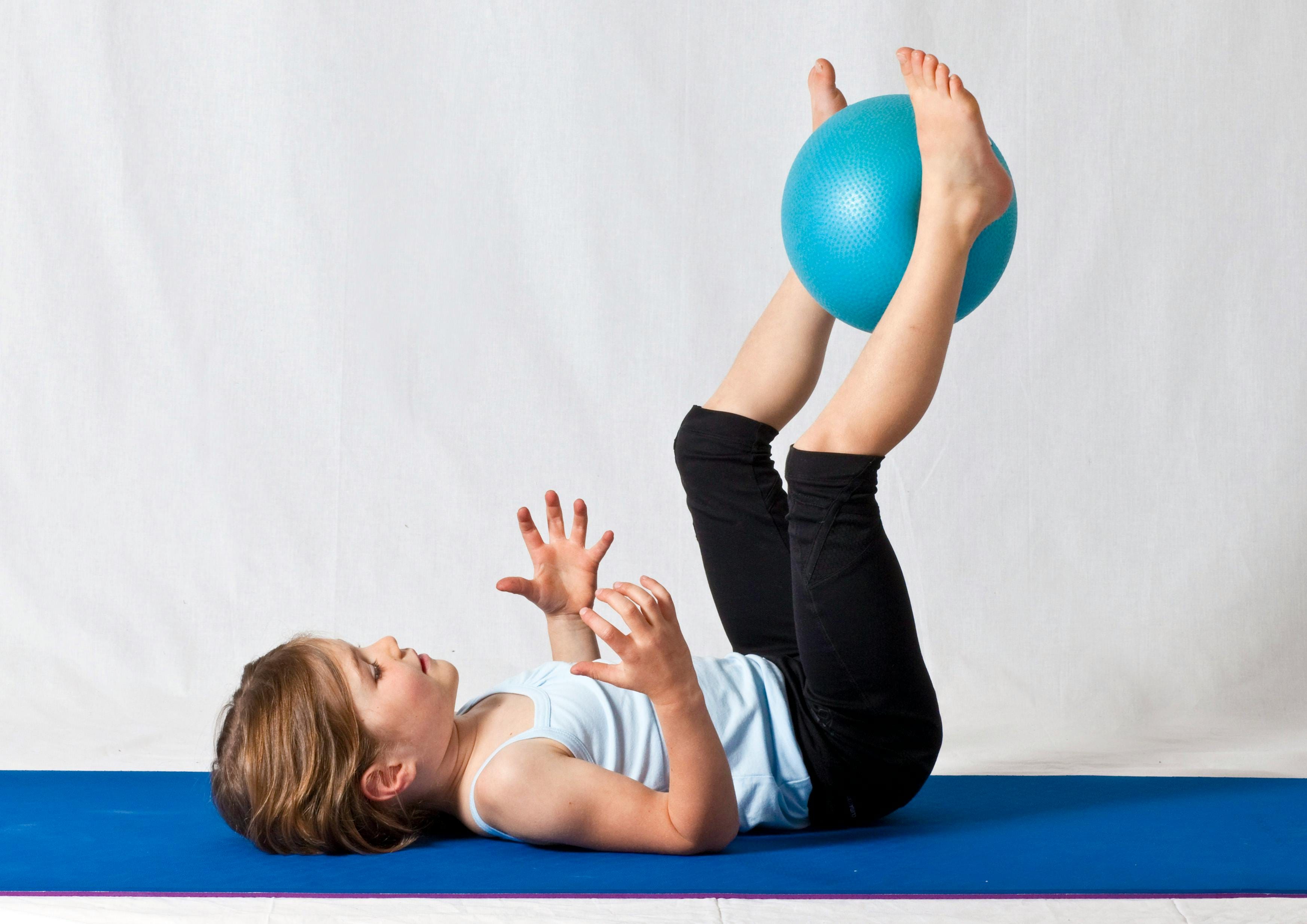
For many individuals with whole-body apraxia, that might mean five minutes on a treadmill. Not 30 minutes or even 10.
The body may resist. You might wonder if it’s worth the effort. But with consistency and motor coaching, individuals slowly start to build more intentional motor skills.
Why starting small matters:
The nervous system needs time to adapt to new demands
Success builds confidence and reduces resistance from the body
Small increments allow the brain to integrate new movement patterns
It’s sustainable for both the individual and the support person
Don’t compare to neurotypical exercise programs. An individual with whole-body apraxia isn’t starting from the same baseline. Their brain-body connection is fundamentally different, and that’s okay. Meet them where they are.
The Essential Role of Motor Coaching
Motor coaching is the bridge between intention and action for individuals with whole-body apraxia.
What motor coaching looks like during exercise:
Break down every movement - “Bring your foot to the treadmill,” “Reach for the rail,” “Step up,” “Bring your foot forward.”
Use clear, direct verbal cues - “Bend your knees,” “Push your arms forward,” “Lift your foot.”
Provide consistent prompting - Don’t assume because they did it yesterday that they can initiate it today. The nature of whole-body apraxia means consistency takes time to build.
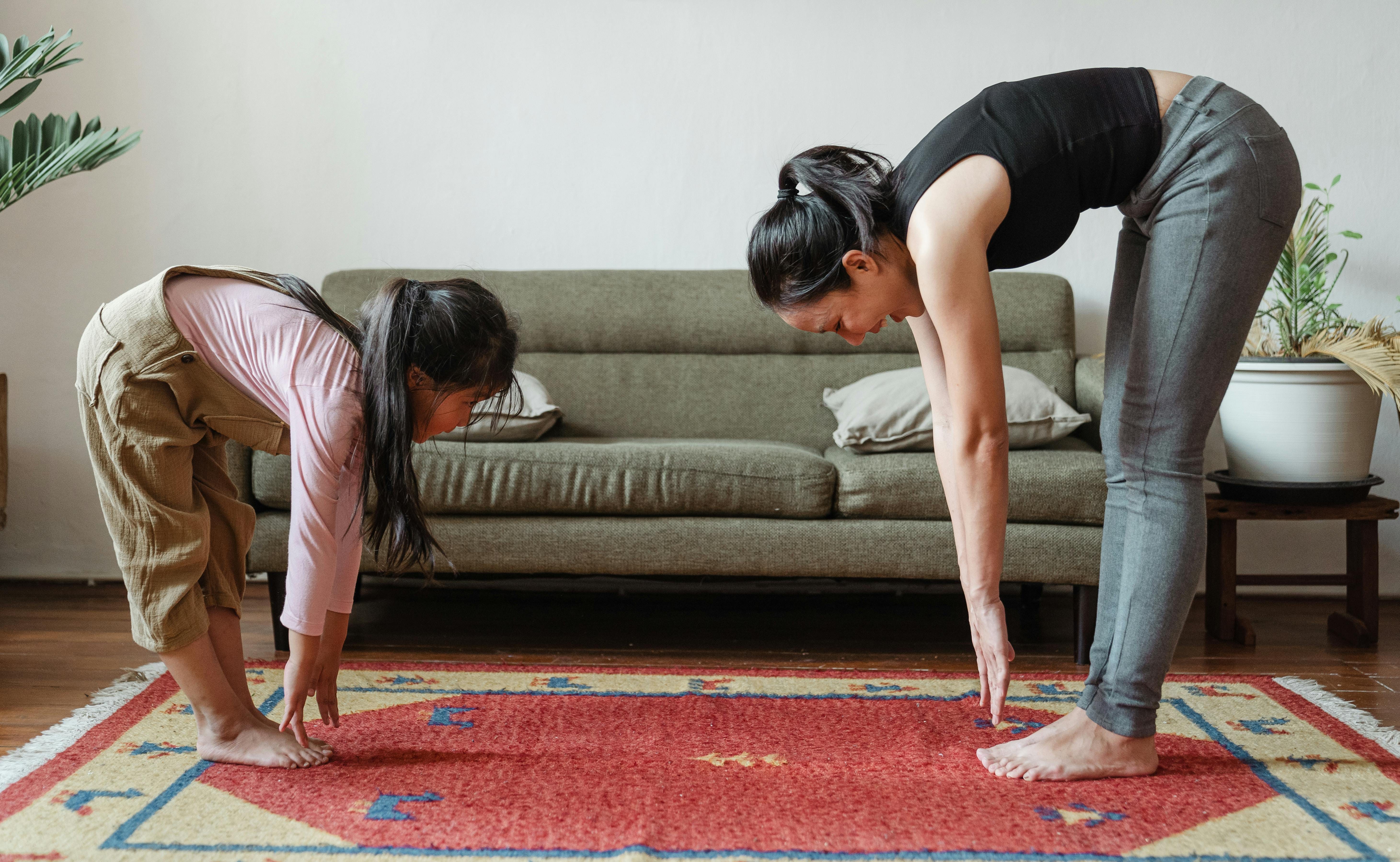
Stay calm and regulated - Your nervous system state affects theirs. If you’re frustrated or anxious, they’ll feel it.
Believe in their capability - Presume competence. They understand what you’re asking; their body just needs support to follow through.
Over time, caregivers and professionals learn to coach the body through each exercise. At first, it may feel like constant talking. But as motor pathways strengthen, some movements may require less prompting.
Types of Exercise That Work Best
Not all exercise is equally beneficial for individuals with whole-body apraxia. Here’s what works:
Resistance Training
Why it works: Provides strong proprioceptive input, builds muscle as a sensory organ, activates BDNF production, and strengthens mitochondria.
Examples:
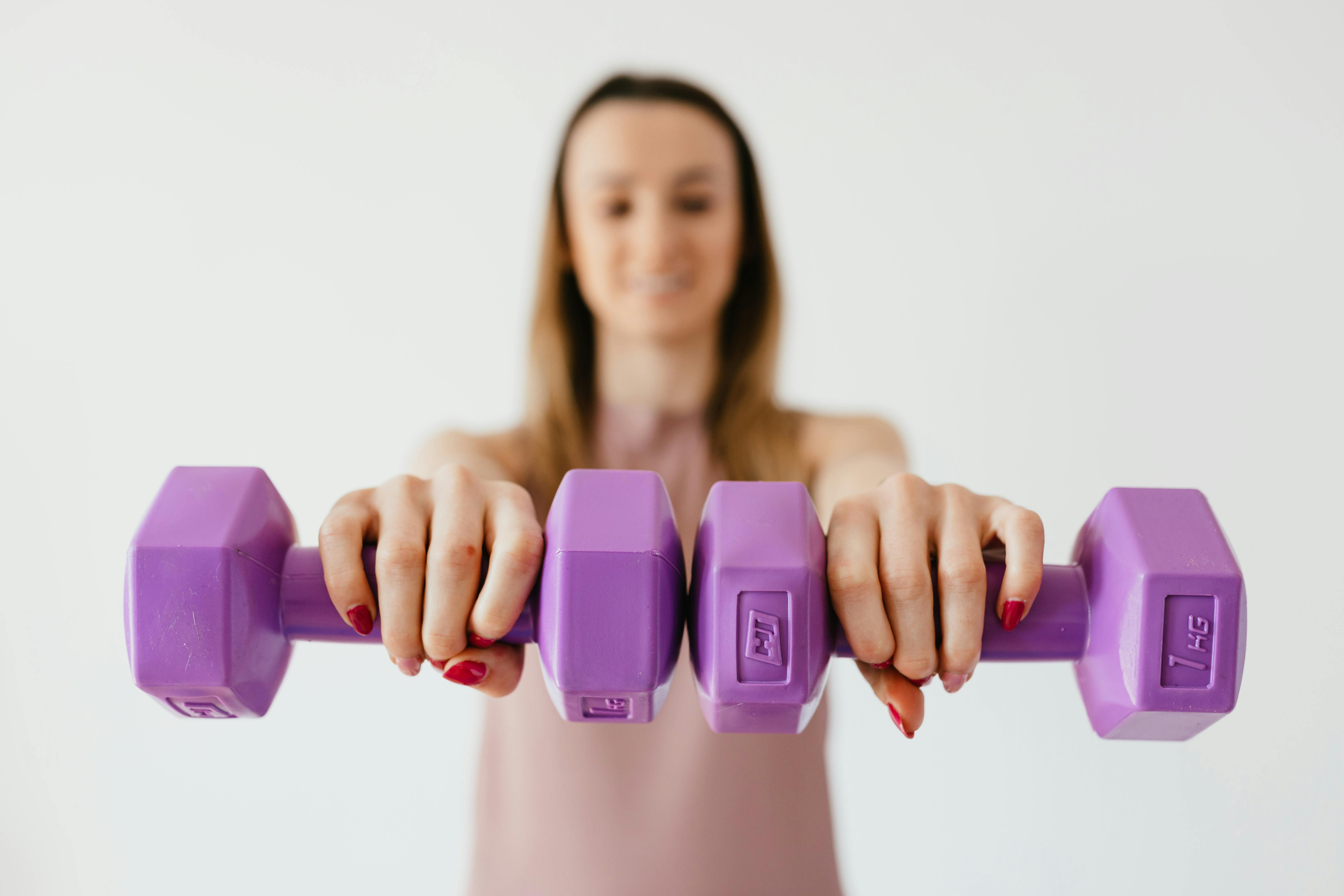
Weights (start with very light weights)
Resistance bands
Push-ups against a wall or counter to start
Chair Squats (bodyweight or with a weighted bar)
Carrying heavy objects like kettle bells
Pushing or pulling weighted items
Start with: One or two exercises, light resistance, focus on form and intention over weight or repetitions.
Aerobic Exercise
Why it works: Boosts cardiovascular health, releases endorphins and BDNF, improves mitochondrial function, supports regulation.
Examples:
Walking (treadmill or outdoor)
Biking (stationary or regular)
Swimming
Row machine
Start with: Short duration (5-10 minutes), low intensity, consistent frequency (3-4 times per week).
Functional Movement Patterns
Why it works: Builds practical strength and coordination for daily living, provides proprioceptive input, and practices motor sequences needed for daily tasks.
Examples:
Getting up and down from the floor
Climbing stairs
Carrying items
Lifting and placing objects at different heights
Pushing a cart or wheelbarrow
Start with: Real-life activities that the individual already encounters, adding intention and coaching.
Creating an Exercise Routine
Here’s a framework for building a sustainable exercise program:
Frequency
Start with 3-4 times per week. Consistency matters more than intensity. The brain needs regular input to build new pathways.
Duration
Start with 5-10 minutes and gradually increase. Don’t push to the point of total fatigue to end on a positive note.

Progression
Add one small increment at a time:
One more minute of duration
One more repetition
Slightly more resistance
One additional exercise
Don’t progress too quickly. Let the nervous system integrate each new challenge before adding more.
Environment
Choose an environment that supports success:
Quiet spaces with minimal sensory distractions
Predictable routines and consistent locations
Visual supports are helpful
Access to needed equipment
For some individuals, exercising at home is most regulating. For others, a gym environment works as well. Follow what the individual’s body needs.
Overcoming Common Challenges
“Their body just won’t cooperate.”
Remember: This is whole-body apraxia. The body’s resistance isn’t on purpose; it’s neurological. Stay patient, keep coaching, trust the process. Progress may be slow, but it’s happening at the brain level even when you can’t see it yet.
“They seem to hate it”
Separate the motor challenge from preference. Many individuals do want to exercise, but their body’s resistance makes it feel overwhelming. Use motor coaching, start small, stay regulated yourself. Over time, as movement becomes easier, engagement often improves.
Also, check in with them if the individual has reliable communication. Many of my clients have expressed through typing or spelling that they want to exercise, but their body’s resistance doesn’t reflect their actual preference.
“We don’t have equipment or a gym membership”
You don’t need either. Bodyweight exercises, household objects as weights (water bottles, canned goods, backpacks filled with books), walking in your neighborhood, using stairs, all of these work.
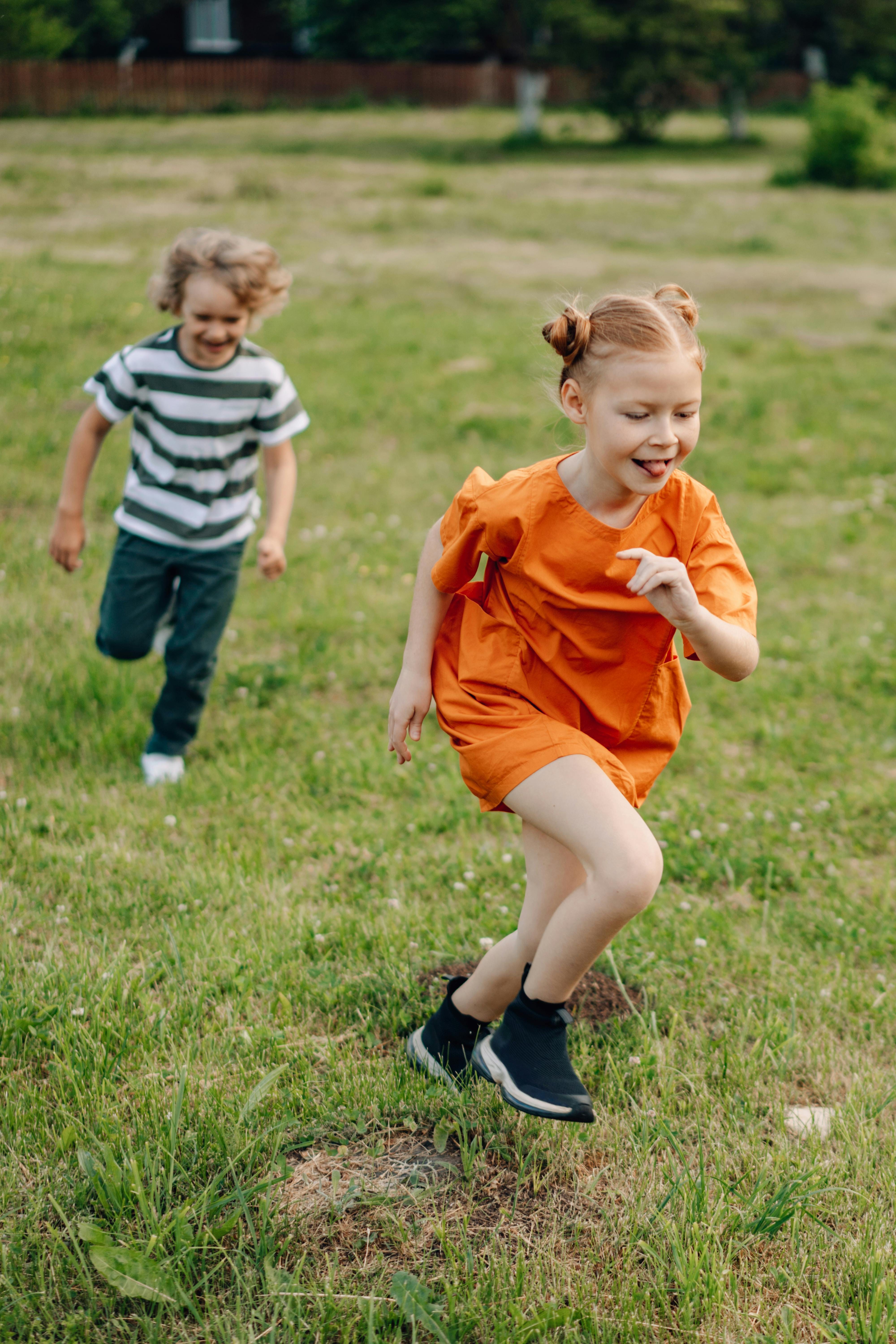
“I don’t know how to coach exercise”
You don’t need to be a personal trainer. You need to:
Break movements into small steps
Give clear verbal prompts - name the body part and the action
Stay calm and consistent
Believe in their capability
That’s motor coaching.
“Progress is so slow”
Progress in whole-body apraxia is measured differently. Celebrate:
One more minute of duration
Slightly smoother movement
Less resistance to starting
Better regulation after exercise
Improved energy throughout the day
These are all significant wins that indicate brain changes are happening.
Real Success: What’s Possible
Over time, with consistent exercise and motor coaching, individuals’ bodies build intentional movement. Many have communicated through typing that they want to keep exercising,and that their body wasn’t refusing, it was “going rogue” when asked to move on demand. Starting a movement is often the hardest part.
What makes the difference? Having someone beside them who stays calm, even when they can’t, and who uses motor coaching to guide their body. That combination is a game-changer.
Today, many individuals with whole-body apraxia are working out at gyms with peers in classes led by trainers who presume competence and use motor coaching. They feel stronger, more confident, and healthier.
Do they still have whole-body apraxia and autism? Absolutely. But now their bodies are getting the input they need to function better, giving them more confidence and control in everyday life.
Caregivers report that the changes go beyond the gym. Individuals initiate movement better throughout the day. They’re more regulated. They have more energy. They participate in family and community activities more easily. And most importantly, they feel capable.
The Role of Professional Support
While home-based exercise is valuable, professional support can accelerate progress:
Personal trainers who understand motor challenges can provide expert motor coaching, appropriate progressions, and accountability.
Occupational therapists trained in whole-body apraxia can integrate exercise into a comprehensive motor planning program.
Physical therapists can address specific movement challenges and ensure exercises are biomechanically appropriate.
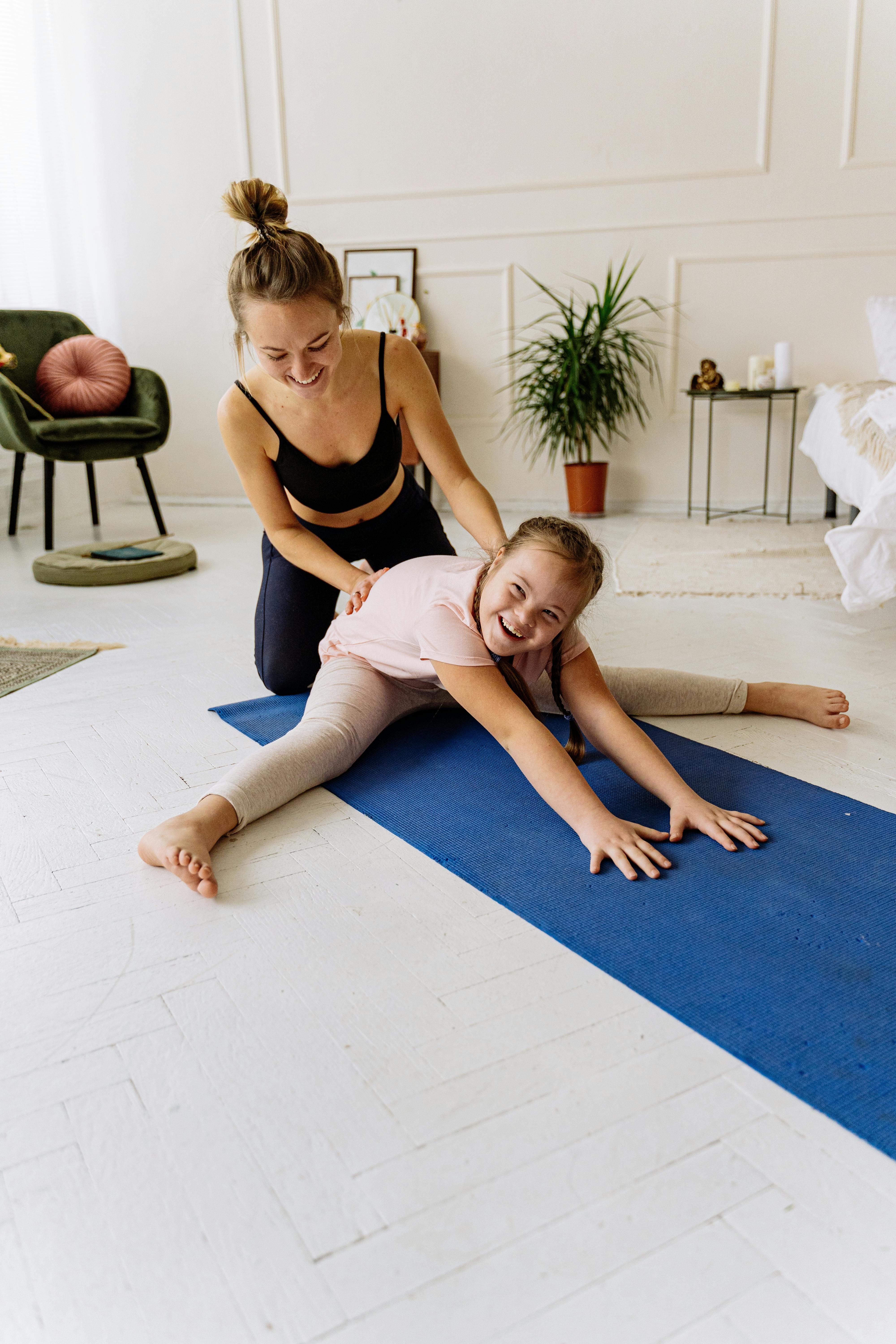
CrossFit or other group fitness programs with trainers willing to learn about whole-body apraxia can provide community and structured programming.
The key is finding professionals who:
Presume competence
Understand motor planning challenges
Are willing to use motor coaching
Start where the individual is, not where “they should be”
Communicate with other team members
Key Takeaways
Exercise changes the brain - Through neuroplasticity, every intentional movement strengthens brain-body pathways.
Start small and build gradually - Five minutes is better than zero minutes. Progress takes time.
Motor coaching is essential - Break down movements, use clear verbal cues, stay calm, believe in capability.
Resistance and aerobic training work best - Both provide proprioceptive input, boost BDNF, and strengthen mitochondria.
Consistency matters more than intensity - Regular, sustainable exercise builds lasting change.
Progress looks different - Celebrate small wins: better initiation, smoother movement, improved regulation, increased energy.
Professional support helps - Find trainers and therapists who understand whole-body apraxia and use motor coaching.
It’s never too late - Whether the individual is 5 or 50, the brain can change, and movement can improve.
The Answer Is Yes
So if you’ve ever wondered, “Is exercise really worth the effort?” The answer is 100% YES.
Start small. Keep it fun. Be consistent. And don’t just cheer them on, join them. Exercise benefits the health of all of us.
Movement is medicine for the brain and body. It’s one of the most powerful interventions available for individuals with whole-body apraxia, and it’s accessible to everyone.
Don’t wait. Start today.
What’s one exercise or movement activity you can start this week? What are you already doing with your child? How have they benefited from regular exercise? I’d love to hear your comments!
You've inspired us to do more exercise at home with our speller, as well as make it more of a priority in spelling sessions with clients. This was a terrific two-part series. Thanks!