
The Missing Foundation: Why Your Child Still Struggles Despite All the Therapy

Have you ever felt like no matter how much therapy your child gets, they still struggle with coordination, attention, or hand-eye coordination?
It might not be that they aren’t trying hard enough—or that the therapy isn’t good. It could be that their foundation for movement isn’t fully developed.
And this foundation? It starts way before your child took their first steps—actually, before they were even born.
Today I want to talk about something that’s often overlooked but critically important: reflex integration.
What Parents Are Usually Told
Here’s what many families hear: “If your child just practices more, they’ll get better.”
But here’s the reality: if your child’s reflexes aren’t integrated, their brain is still working from an old, inefficient movement program. You can practice all day, but without addressing that foundation, progress will be slower and more frustrating.
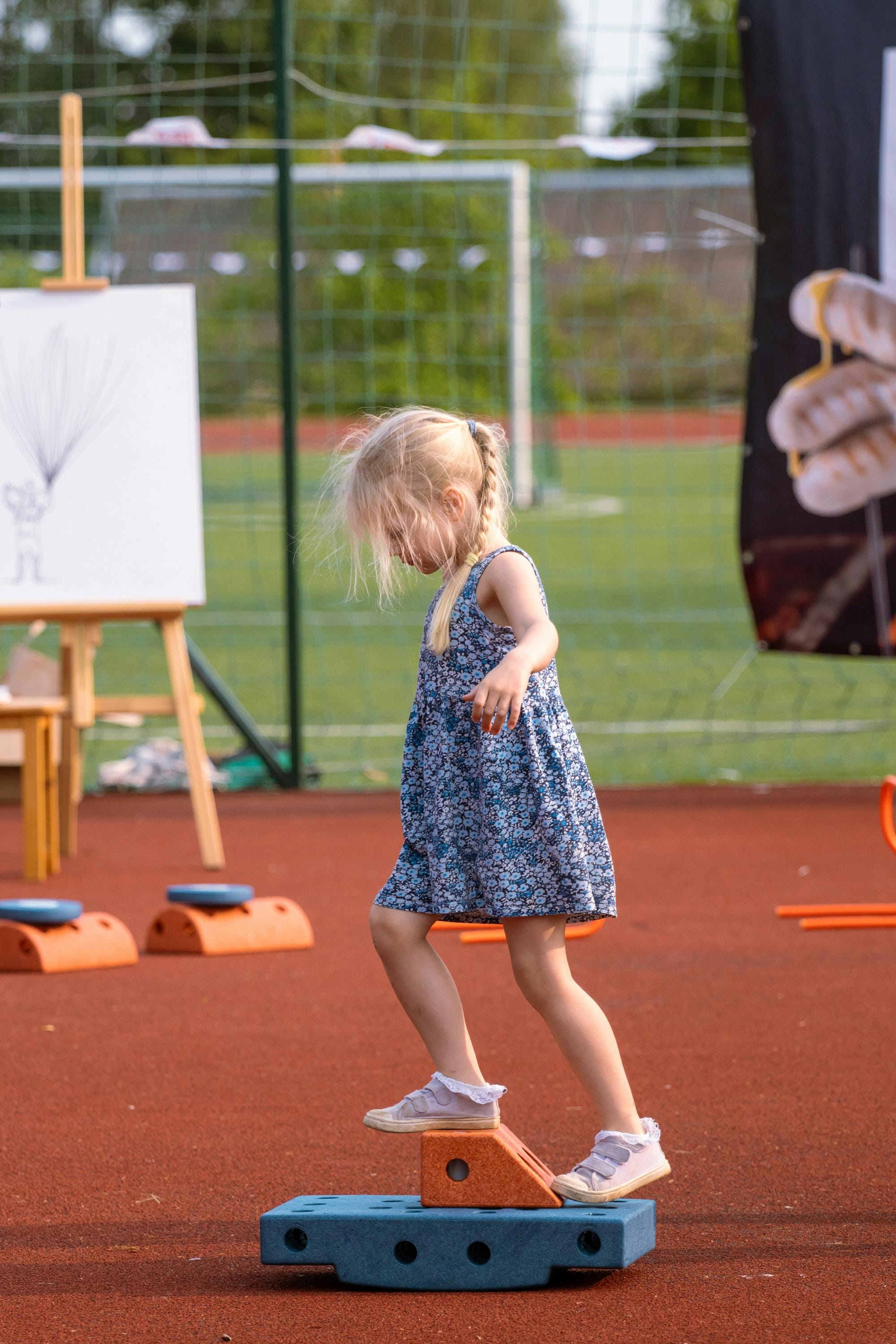
And here’s something else many parents don’t know: those reflexes you may have worked on early in therapy may not stay integrated. Trauma, highly emotional events, and chronic stress can all contribute to reflexes becoming retained again, making movement even more challenging.
What Are Reflexes and Why Do They Matter?
Reflexes are automatic movements babies are born with. They’re designed to help us survive and build the pathways in our brain for controlled movement later.
Think of the startle reflex when a baby hears a loud noise, or the automatic grasp when you put your finger in their palm. These are reflexes—movements the baby doesn’t have to think about.
As we develop, most reflexes integrate—meaning they no longer control movement, but their pathways are still there in the brain, ready to be used for intentional movements.
But when reflexes don’t integrate, they can cause:
Poor coordination and balance
Sensory sensitivities
Weak posture
Vision challenges
Difficulty with attention and focus
Challenges with crossing midline
Poor hand-eye coordination
For many individuals with autism, retained reflexes are part of what creates the brain-body disconnect—also known as whole-body apraxia.
Important Reflexes to Know About
Here are some key reflexes that, when retained, can significantly impact movement and learning:
Moro Reflex (Startle Reflex) - When retained, can cause hypersensitivity to sensory input, difficulty with transitions, and anxiety.
Tonic Labyrinthine Reflex (TLR) - Affects head and posture control. When retained, can cause poor balance, difficulty judging space, and challenges with coordination.
Asymmetrical Tonic Neck Reflex (ATNR) - Helps prepare for crawling and crossing midline. When retained, can cause difficulty with bilateral coordination, crossing midline, and hand-eye activities.
Symmetrical Tonic Neck Reflex (STNR) - Supports crawling and posture. When retained, can cause poor posture, difficulty sitting still, and challenges with eye-hand coordination.
Palmar Reflex - Automatic hand grasp. When retained, can affect fine motor skills like holding a pencil or using utensils.
If these reflexes stay active beyond when they should naturally integrate, they impact everything from sitting still to accurate eye movements to intentional motor control.
The Connection to Whole-Body Apraxia
When reflexes aren’t integrated, the brain defaults to automatic, reflexive patterns instead of intentional, planned movements.
This is a huge piece of whole-body apraxia. The brain knows what it wants to do, but the body is being pulled by these primitive reflex patterns.
Imagine trying to reach for a cup while your arm is being controlled by an automatic reflex that pulls it in a different direction. That’s what your child may be experiencing, their intention fighting against their reflexes.
For individuals with autism and whole-body apraxia, initiating movement is often the hardest step. Retained reflexes make this even more difficult because the automatic patterns interfere with intentional motor planning.
Three Other Critical Pieces
Reflex integration is essential, but it works best when combined with these other foundational elements:
1. Vision
Over 70% of our brain is tied to vision. Eye movements like fixation (keeping eyes steady on a target), tracking (following movement), and saccades (quick jumps between targets) guide our hands and body.
If ocular-motor skills are weak, it’s much harder to move accurately in space.
Many children with retained reflexes also have vision challenges. The two often go together because reflexes like ATNR and STNR directly affect eye movements.
A developmental optometrist can assess and address these issues, even for nonspeaking children.
2. Intentional Movement
Intentional movement means movement with purpose, planning, initiating, and completing an action.
We strengthen intentional movement through:
Targeted physical activities
Daily living skills practiced with motor coaching
Exercise that requires focus and body awareness
Functional movement patterns
The key is making movement purposeful, not just random activity.
3. Regulation
Without regulation, emotional, sensory, and physical, intentional movement is nearly impossible.
Think about it: when you’re stressed, anxious, or overwhelmed, can you focus on learning something new? Can you coordinate your movements smoothly? Probably not.
The same is true for your child. Regulation is the foundation that allows reflex integration work and intentional movement to actually happen.
What You Can Actually Do
If what you’re reading feels familiar, or if your child has whole-body apraxia—it’s not too late.
The brain is capable of change at any age. By addressing reflex integration, building intentional movement, supporting vision, and improving regulation, we can open the door for more independence and confidence.
Here’s where to start:
1. Get an Evaluation for Retained Reflexes
This can be done by a qualified occupational therapist, physical therapist, or chiropractor who has training in reflex integration.
Not all therapists assess for this, so you may need to specifically ask or seek out someone with this expertise. If you are able to find an MNRI provider in your area, they are the experts in reflex integration. I would highly recommend working with one if you can.
2. Schedule a Developmental Vision Exam
This is critical and often overlooked, especially for nonspeaking children or those who struggle with speech.
A developmental optometrist can assess vision even if your child can’t verbally respond. They have objective ways to evaluate eye function and can make a huge difference. Here is a directory of developmental optometrists in your area.
3. Add Daily Intentional Movement Activities
Make movement purposeful throughout the day:
Have your child carry items from one room to another
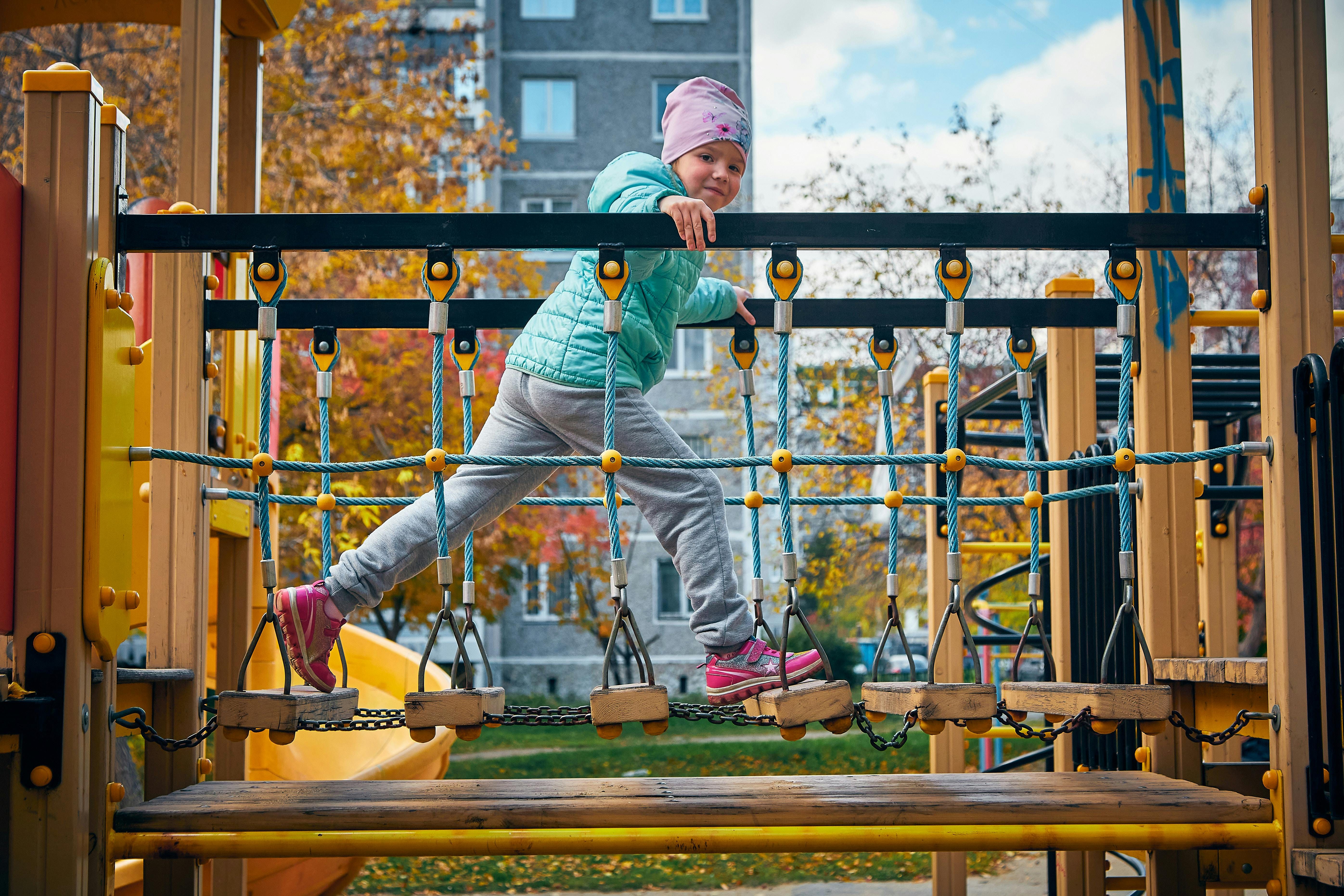
Practice climbing stairs with focus
Do activities that cross midline (reaching across the body)
Include balance activities
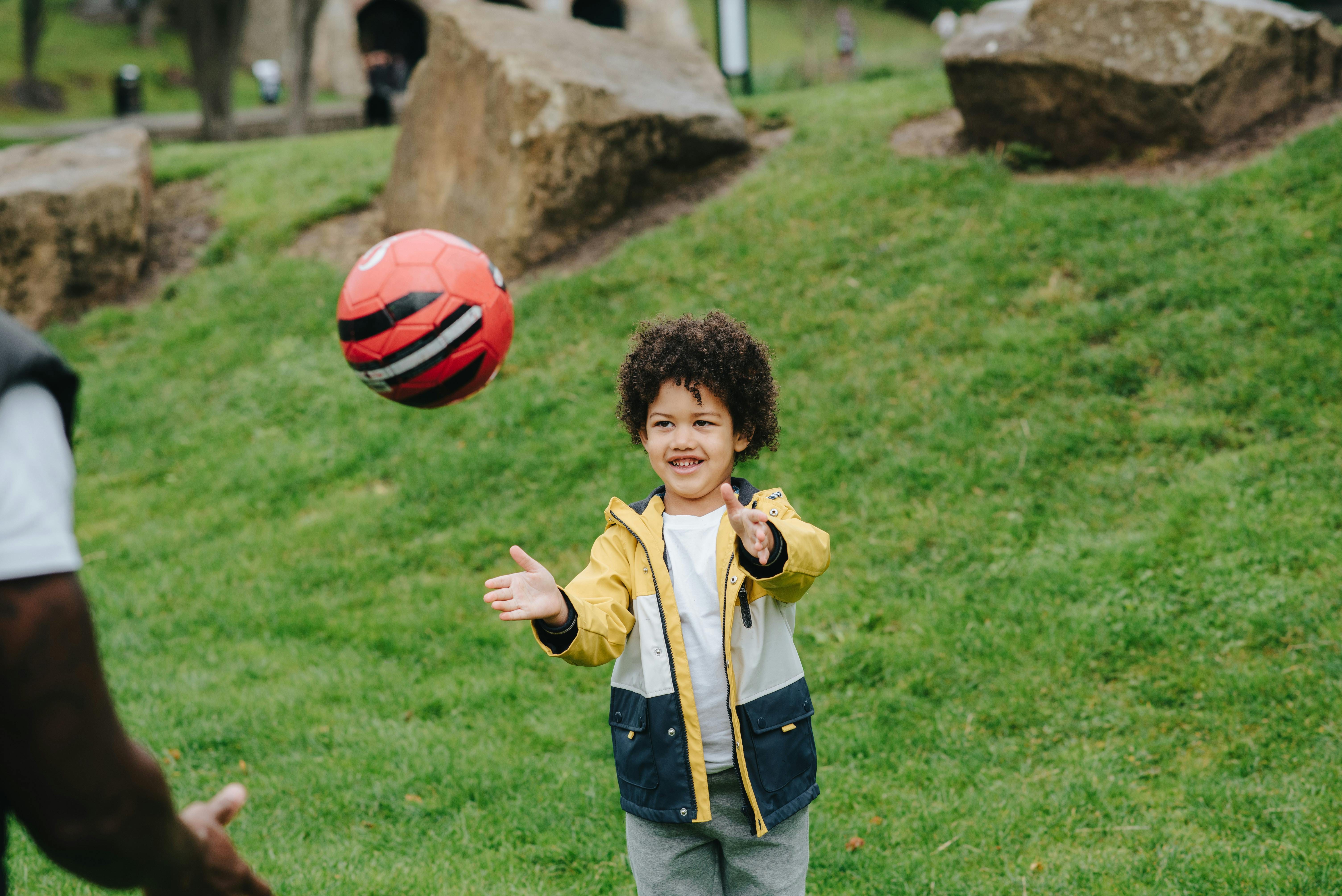
Play catch or roll a ball back and forth
The key is intentional and focused, not just active play.
4. Use Motor Coaching at Home
Break movements into steps and coach your child through them:
“Get your eyes on the chair” “Step forward” “Bend your knees” “Push your hips back” “Sit down”
This helps build intentional motor planning and can override reflexive patterns.
Small Steps, Big Changes
These small, consistent steps add up to significant changes over time.
You’re not just working on one isolated skill, you’re building the foundation for ALL movement, learning, and regulation.
When reflexes integrate, vision improves, intentional movement strengthens, and regulation stabilizes, everything becomes easier:
Learning new skills
Following directions
Participating in activities
Communicating
Regulating emotions
Coordinating movements
This is foundational work.
Moving Forward
I know it can feel overwhelming to add another piece to address. But understanding reflex integration can be the key that unlocks progress you’ve been working toward for years.
Start with one step. Get an evaluation. Schedule a vision exam. Add one intentional movement activity to your day.
Progress builds on progress.
Your child has the capacity to grow and change. Sometimes we just need to make sure the foundation is solid first.
Has your child been evaluated for retained reflexes? What differences did you see when you worked on integrating the reflexes? Please leave a comment. I’d love to hear from you!