
What Happens When We Stop Underestimating Our Kids

In Part 1, we challenged three limiting beliefs about autism: that autistic individuals experience the world as we do, that medical issues are “just autism,” and that nonspeaking means nonthinking.
Today, we’re tackling two more beliefs that profoundly limit our children. And then we’re going to talk about what becomes possible when we finally stop underestimating them.
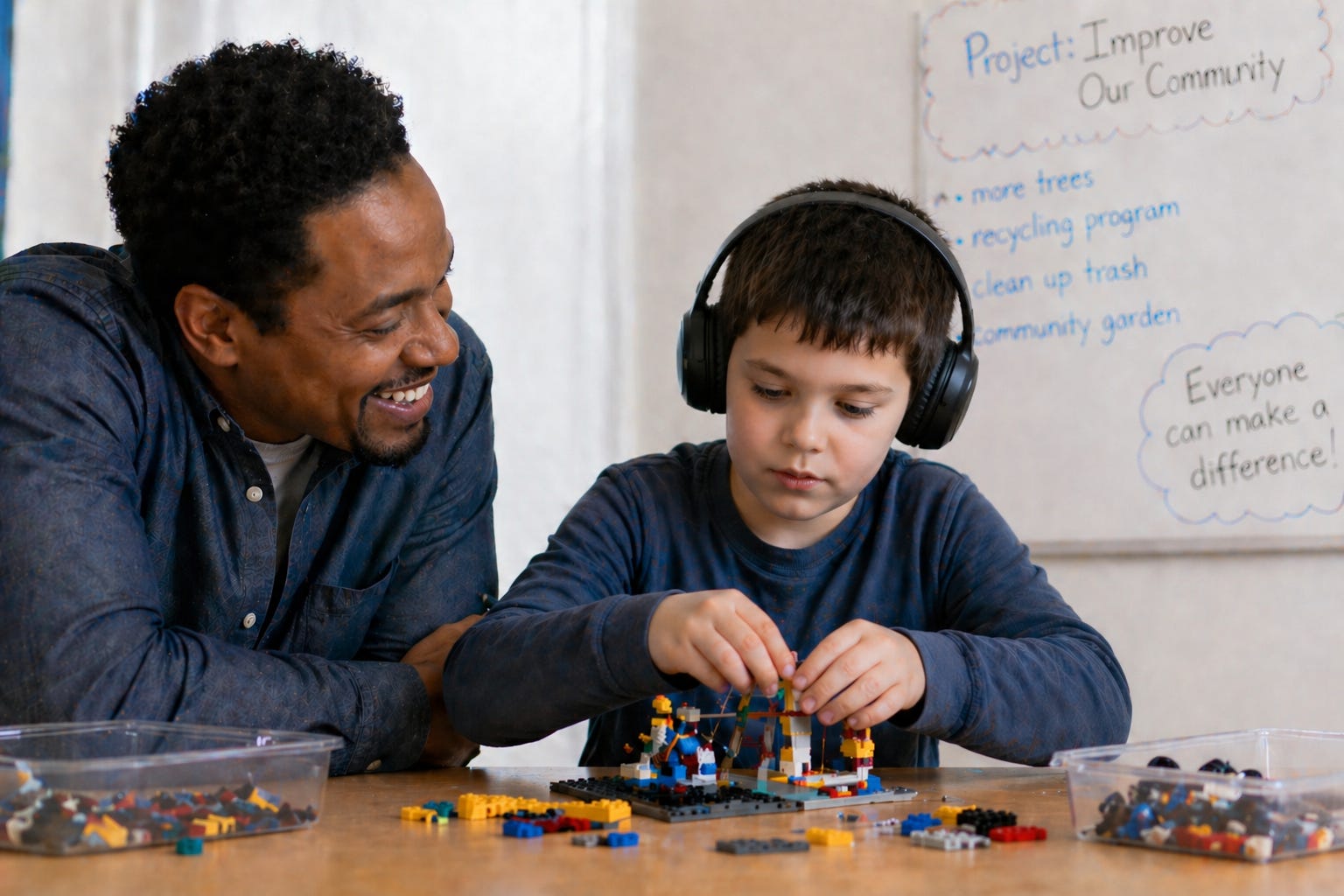
Belief #4: “All Behavior Is Communication”
You’ve heard this, right? It’s the mantra in autism education and therapy.
“Behavior is communication.”
And yes, sometimes it is. Sometimes a child grabs your hand and pulls you to the kitchen because they want a snack. Sometimes they throw a toy because they’re frustrated.
But here’s what this mantra misses: Not all behavior is intentional communication.
Let me explain.
Your child hits. The professional labels it “aggressive behavior” and says they’re “communicating” frustration or trying to escape a demand.
But what if your child has whole-body apraxia? What if that hit was an impulsive movement their body couldn’t stop?
What if they didn’t choose to hit, their arm just moved, driven by sensory overload or emotional flooding, and they couldn’t inhibit the movement?
Now layer on:
High anxiety that makes impulse control nearly impossible
Sensory overwhelm that triggers reflexive responses
Motor planning challenges that mean they can’t reliably control their body
The result: Movements that look purposeful but are actually impulsive reactions.

And here’s the problem: when we practice these movements over and over, when the body hits repeatedly, that movement pattern becomes automatic. It gets easier to do, harder to stop.
It starts to look like intentional aggression. But it began as something the body did without the person’s full consent.
Why This Distinction Matters
When we assume all behavior is intentional communication, we respond with behavior modification: rewards for “good” behavior, consequences for “bad” behavior.
But if the behavior is impulsive, driven by a nervous system in crisis and a motor system that can’t inhibit, then punishment doesn’t make sense. Teaching “replacement behaviors” doesn’t work if the person can’t reliably control their body to perform them.
What does work:
Addressing sensory overload before it triggers impulse
Supporting regulation so the nervous system isn’t constantly in fight-or-flight
Building alternative motor patterns that are easier to access than the impulsive ones
Presuming that the behavior doesn’t reflect the person’s intentions
Your child trapped in an impulsive body deserves compassion and motor support, not behavior management.
Belief #5: “Test Scores Tell Us What They Can Learn”
This belief gets stamped on children at diagnosis and follows them forever.
IQ test shows low scores? “Intellectually disabled.”
Can’t complete standardized assessments? “Functioning at a 3-year-old level.”
Struggles in school? “Can’t handle grade-level curriculum.”
These labels determine classroom placement, therapy goals, and what we even bother teaching our children.
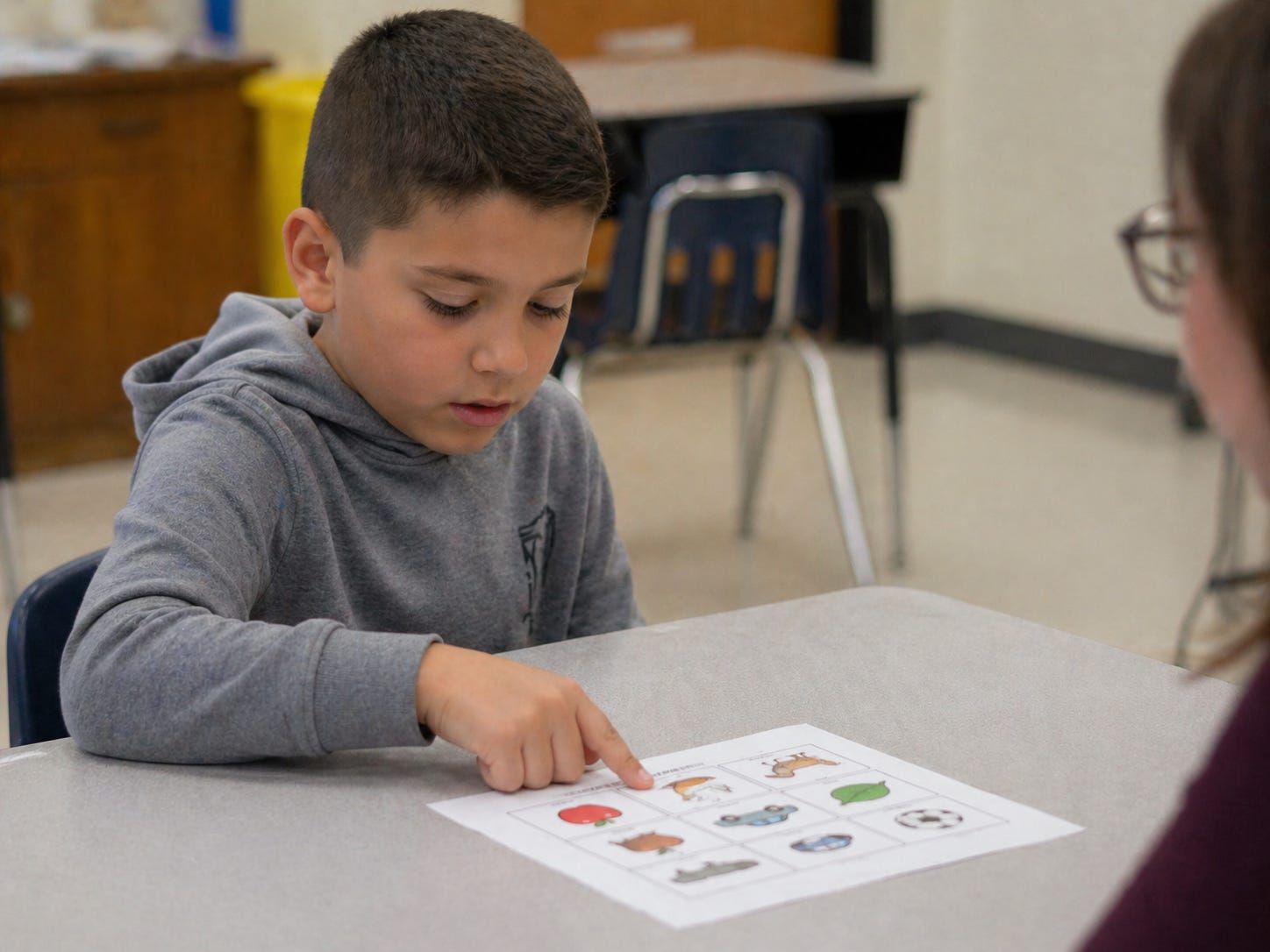
Here’s what those tests actually measure: motor access, processing speed plus ability to perform in an artificial testing environment.
They don’t measure intelligence. They don’t measure understanding. They don’t measure potential.
Autism Is a Moving Problem, Not a Thinking Problem
Let me say that again because it’s critical: Autism is rooted in the neuromotor system, the connection between brain and body.
The challenge isn’t that autistic individuals don’t understand. The challenge is that they can’t always show what they understand.
Think about a traditional IQ test:
“Point to the picture that matches.”
“Build this block pattern.”
“Answer these questions verbally.”
Every single task requires motor planning. Pointing. Building. Speaking.
If your child has whole-body apraxia, if their motor system doesn’t reliably execute what their brain intends, they can’t demonstrate their knowledge on these tests.
But that doesn’t mean the knowledge isn’t there.
What Presuming Competence Really Means
Presuming competence doesn’t mean assuming your child knows everything.
It means refusing to limit them before giving them the chance to show what they’re capable of.
It means providing:
Age-appropriate education, even if they can’t yet demonstrate understanding
Communication systems that work with their motor challenges
Time to process and respond
Multiple ways to show knowledge
The benefit of the doubt
When we presume competence, we discover capabilities we never knew existed.
I’ve seen it over and over: The child written off as “hopeless” who learns to spell and shares profound thoughts. The teenager dismissed as “low-functioning” who types complex ideas about justice, friendship, and their internal experience.
They were capable all along. We just weren’t looking in the right way.
What Changes When We Stop Underestimating
When we challenge these five limiting beliefs, here’s what becomes possible:
We address medical issues instead of accepting suffering as inevitable. Sleep improves. Pain decreases. Energy increases. And suddenly, learning and regulation become easier.
We provide sensory support instead of demanding compliance with sensory overwhelm. We accommodate their different nervous system instead of trying to force them to tolerate what’s intolerable.
We pursue communication that works with their motor system instead of waiting for speech that may never come. We give them a voice.

We support impulsive bodies with compassion instead of punishing movements they can’t fully control. We build better motor patterns instead of just trying to eliminate “bad behaviors.”
We presume intelligence and provide real education instead of limiting them to life skills and compliance training.
And everything, absolutely everything, changes.
What This Means for You
I’m not saying your child will go to college or present in front of a crowd. I don’t know what your child is capable of, and neither does anyone else, including the professionals making predictions.
That’s exactly the point.
We don’t know what’s possible until we stop putting ceilings on our children based on what we think autism means.
Your child may surprise you. Or progress may be slow and incremental. But either way, they deserve:
Medical treatment for their physical suffering
Sensory accommodations for their different nervous system
Communication access that works with their motor challenges
Presumption of competence and intelligence
Education that doesn’t underestimate them
They deserve for us to stop saying “that’s just autism” and start asking “what does this child need?”
Moving Forward
Challenge the beliefs you’ve been given. Question the limitations professionals have placed on your child. Investigate the medical issues. Provide communication access. Presume competence.
And watch what becomes possible.
Your child is in there. Behind the motor challenges, behind the communication barriers, behind the test scores that don’t measure what matters.
They’re in there. Thinking. Understanding. Capable of more than we’ve been told.
They deserve for us to see them clearly.
And when we do? That changes everything.
What limiting belief are you ready to let go of? What becomes possible when you do? Leave a comment and let me know. I’d love to hear your perspective.
So well written and explained Dana. Your articles and videos are such a valuable resource. Thank you 🙏
Wow so efficiently explained to a profound topic not just to share with Hope in my entire body for the first time in a long time. But I hope that when we travel so far the next two weeks to me practitioner, I can show him this video and ask him or have her ask him about this topic to me is the most important and understanding how to help our guys