
Stop Blaming Autism: When Food Becomes the Enemy

Three chicken nuggets. Goldfish crackers. Apple juice. Maybe some fries if you’re lucky.
Day after day. Week after week. Sometimes for years.
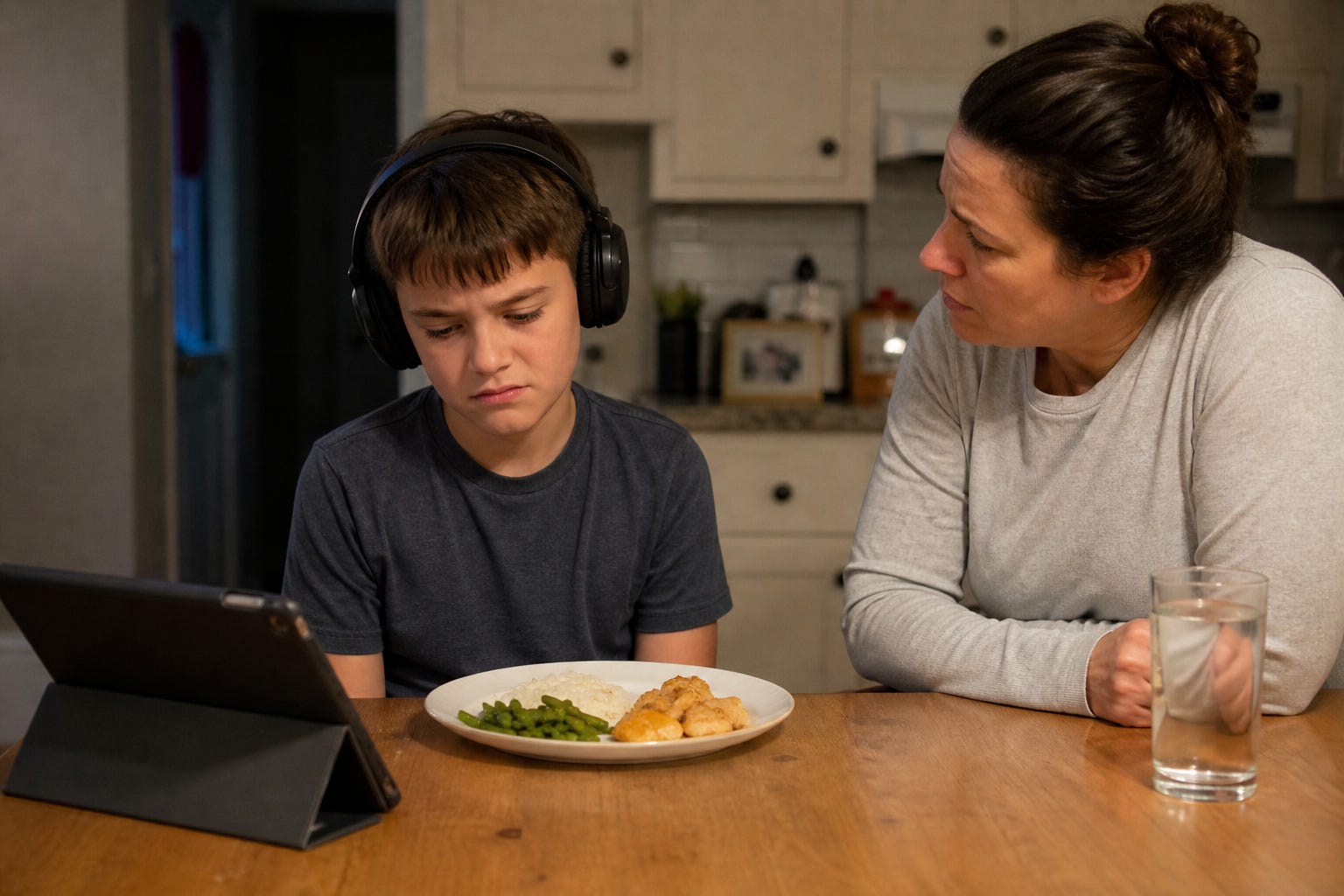
You’ve tried everything. You’ve hidden vegetables in smoothies (they wouldn’t drink it). You’ve made foods fun (they wouldn’t touch it). You’ve consulted nutritionists, tried new plates, offered rewards, and even used the iPad.
Nothing works.
And meanwhile, you’re watching your child struggle with meltdowns, sleep problems, constant illness, and dysregulation that seems to come from nowhere.
What if I told you these two things are connected?
What if the limited diet isn’t just a nutrition problem, it’s actively making your child’s motor planning, regulation, and inflammation worse?
Today, I want to talk about something most therapists never mention: how food is either supporting your child’s brain-body connection and regulation or sabotaging it.
The Food Reality We’re Not Talking About
Let me start with something that might make you uncomfortable: more than 60% of what kids in America eat is ultra-processed food.
Not just “processed” like frozen vegetables. Ultra-processed, meaning it barely resembles actual food anymore. It’s been refined, stripped of nutrients, loaded with sugar and additives, and engineered to be addictive.
Chicken nuggets from a bag. Crackers that list 40 ingredients. Fruit snacks made from corn syrup and food dye. Juice boxes with more sugar than a soda.
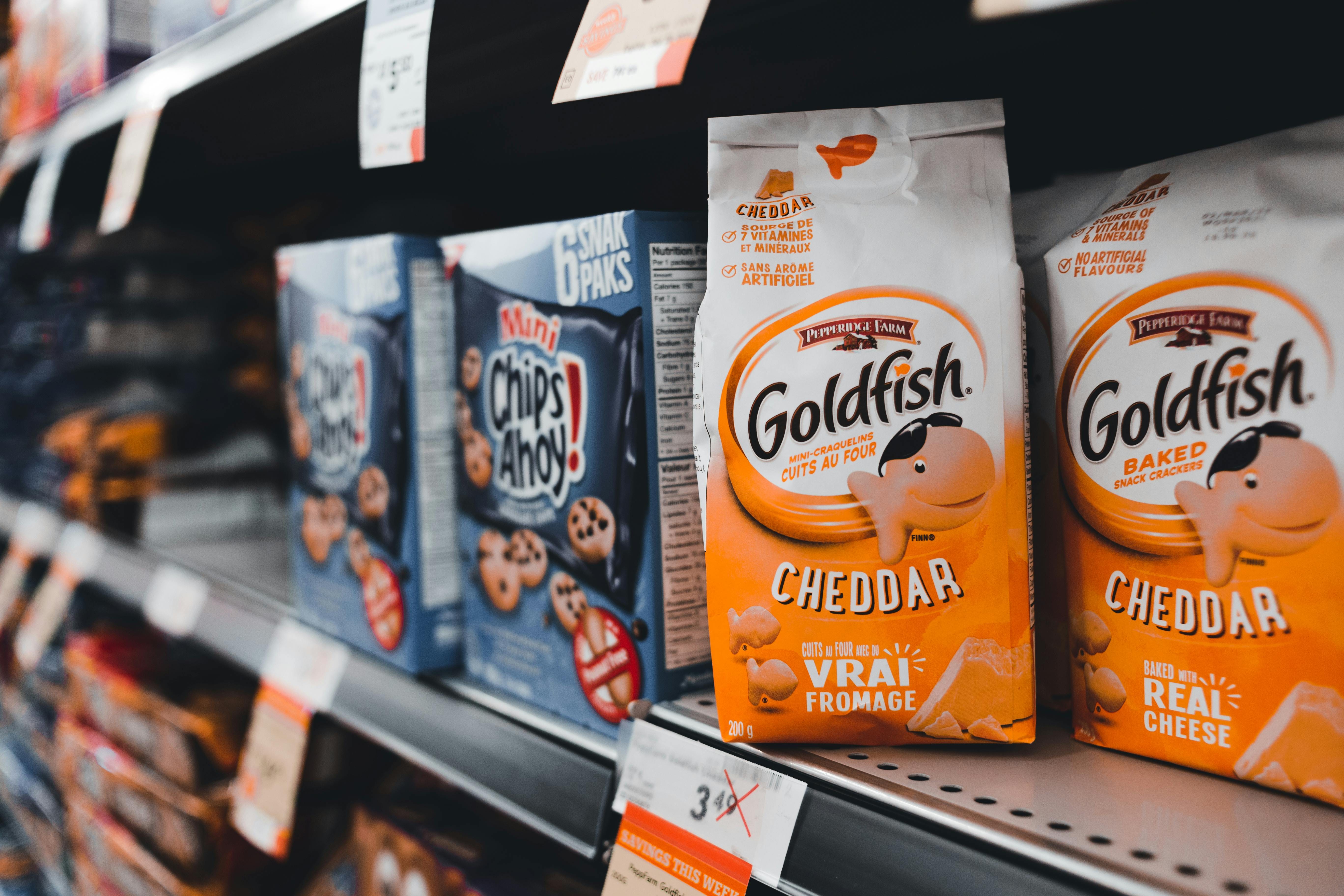
I’m not saying this to make you feel guilty or to shame you. It’s convenient, affordable, and, let’s be honest, it’s what our kids will actually eat.
But here’s what we’re learning: for children with autism and whole-body apraxia, ultra-processed food isn’t just “not ideal,” it’s inflammatory fuel that makes everything harder.
What Ultra-Processed Food Does to the Body
When your child eats highly processed food, here’s what happens inside their body:
The gut becomes inflamed. These foods damage the gut lining, feed bad bacteria, and create inflammation that travels straight to the brain.
Blood sugar spikes and crashes. Refined carbs and sugar cause rapid blood sugar swings. The spike creates hyperactivity and anxiety. The crash creates brain fog, fatigue, and irritability.
The brain gets inflammatory signals. Remember neuroinflammation we talked about before? Diet is one of the biggest triggers.
Sleep becomes disrupted. Blood sugar crashes in the middle of the night wake the body up. Inflammation interferes with deep, restorative sleep.
Anxiety increases. Blood sugar instability and gut inflammation both directly increase anxiety levels.
Now, imagine a child who’s already working twice as hard as their peers just to regulate their nervous system and coordinate their movements.
Add in food that throws their body into chaos, and you’ve created an impossible situation.
The Connection to Whole-Body Apraxia
Here’s what most people don’t understand: whole-body apraxia is about the brain-body connection.
The brain sends signals. The body is supposed to respond. But for individuals with whole-body apraxia, that communication is disrupted.
Diet directly impacts this communication.
When the gut is inflamed, when blood sugar is unstable, when the body is in survival mode from lack of nutrients, the brain’s signals to the body become even more scrambled.
I see this show up as:
More dysregulation and meltdowns
Increased difficulty initiating movement
More impulsive, harder-to-control body movements
Brain fog and fatigue
Sleep that’s restless and non-restorative
Mood swings that seem random but follow meal patterns
Parents often think these are “just autism” or “just bad days.”
But when we change the diet, even slightly, these patterns shift.
The Picky Eating Trap
Now let’s talk about the elephant in the room: picky eating.
You’ve been told your child is “just picky” or “sensory sensitive” around food. And yes, sensory challenges are real.
But what if some of the picky eating is actually motor planning?
What if your child WANTS to eat something new, but their body won’t let them initiate the movement to try it?
What if they DON’T want to eat what’s in front of them, but they can’t stop their body from eating it because it’s become an automatic motor pattern?
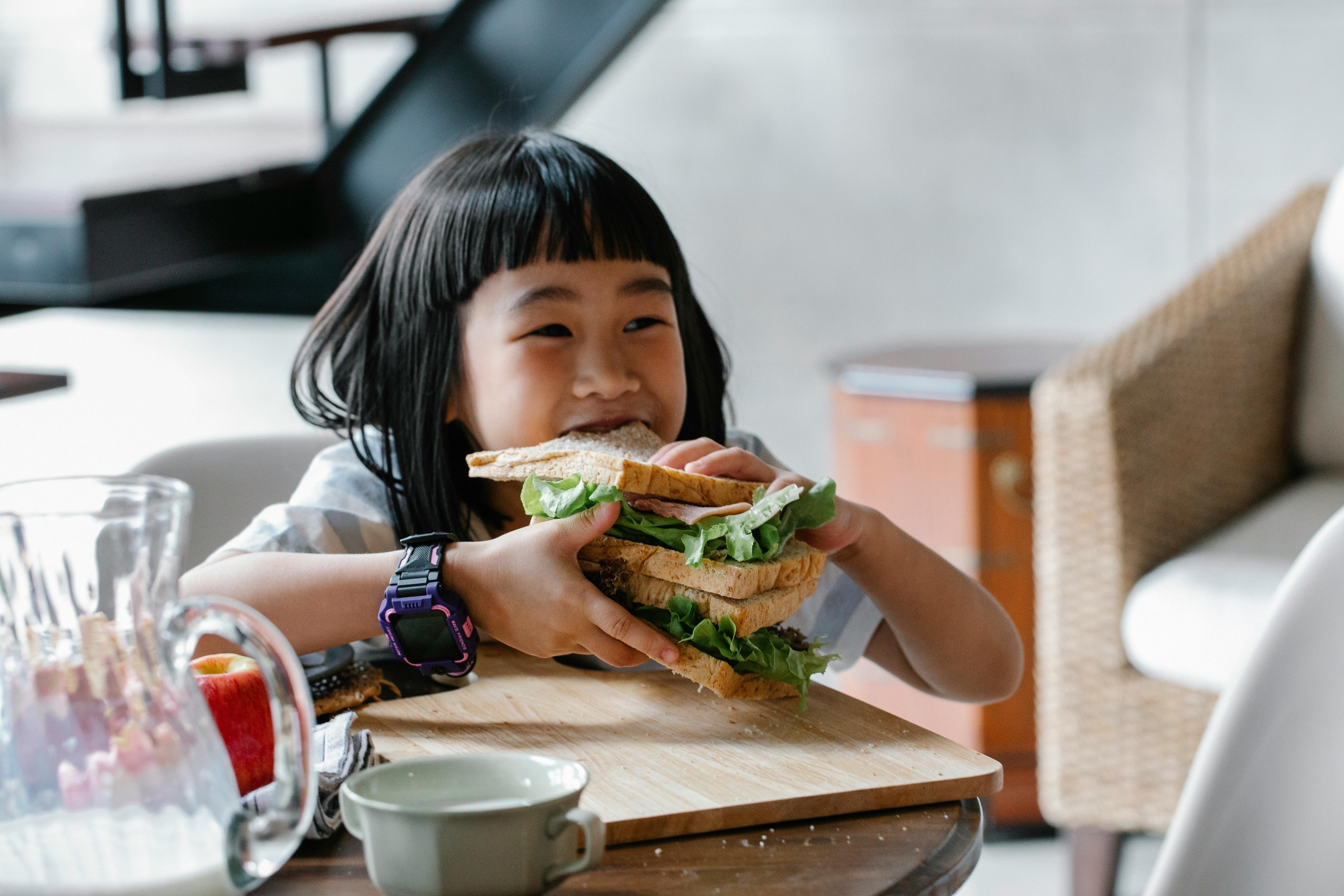
I’ve worked with children who repeatedly choose the same food every single day, not because they love it, but because their body can’t initiate choosing something different from the fridge. The routine has become an automatic motor pattern they can’t override.
Think about that.
How many children “look picky” because their body won’t let them initiate trying a new food?
How many are trapped in food routines that look like preference but aren’t?
How many want to eat differently but their motor system won’t cooperate?
This completely changes how we approach food challenges.
Why Special Diets Feel Impossible
You’ve probably heard about elimination diets, gluten-free, dairy-free, low-sugar, whole foods only.
And maybe you’ve thought: “That sounds great for families who can do it, but my child eats only five foods. I can’t take any of them away.”
I get it. I really do.
The thought of restricting your child’s already limited diet feels terrifying. What if they stop eating altogether? What if mealtimes become even more stressful?
Here’s what I want you to know: you don’t have to overhaul everything overnight.
In fact, trying to change everything at once almost always backfires. It creates stress for you, resistance from your child, and usually ends with everyone giving up and going back to the old patterns.
That’s not what I’m suggesting.
What Actually Works
Instead of removing foods, focus on adding better ones.
Instead of “no more chicken nuggets,” think “let’s add one vegetable this month.”
Instead of eliminating all processed food, think “let’s swap one ultra-processed food for a less-processed version.”
Small additions over time create big changes without the meltdown-inducing stress of restriction.

Start with reading labels. If something has more than five ingredients, it’s heavily processed. If you can’t pronounce the ingredients, your child’s body probably can’t process them well either.
Pay attention to additives, especially food dyes, preservatives, and artificial flavors. These are inflammatory for many children.
And here’s the most important part: make changes for the whole family, not just your child.
If everyone is eating the new food, your child doesn’t feel singled out or punished. And honestly? The whole family will benefit from eating less processed food.
Looking Ahead to Part 2
In the next newsletter, we’ll get practical. I’ll walk you through:
How to introduce one new food without creating a battle
The role of motor coaching in eating (yes, eating is a motor skill)
Why co-regulation at mealtimes matters more than you think
Real examples of how changing diet changed regulation, sleep, and motor planning
Until then, I want you to just observe. Notice what your child is eating. Notice the patterns, the foods they always choose, the times they’re most dysregulated, and the connection between meals and mood.
Awareness is the first step toward change.
What’s your biggest food challenge right now? Please leave a comment. I want to hear what you’re dealing with. It also helps to know you’re not alone on this journey. Other parents will appreciate your comments, too!
Dana, you seem to have your finger on the pulse of the autism community. Thanks for sharing what you have learned through your years of clinical experience, as well as what you have learned from autistics themselves as they reflect on their struggles and what has helped them.
I love this article. My daughter is not a super picky eater but it is not great, anyways, she stopped drinking water, she just does not want to drink water. She only drinks Caffeine Free diet coke (pls do not judge) and orange juice. We do give her Pedialyte popsicles to increase her hydration. We have tried many other drinks, healthier drinks but she refuses and if we just stop buying Diet Coke, she will just not drink. How would you deal with this situation? Thank you!